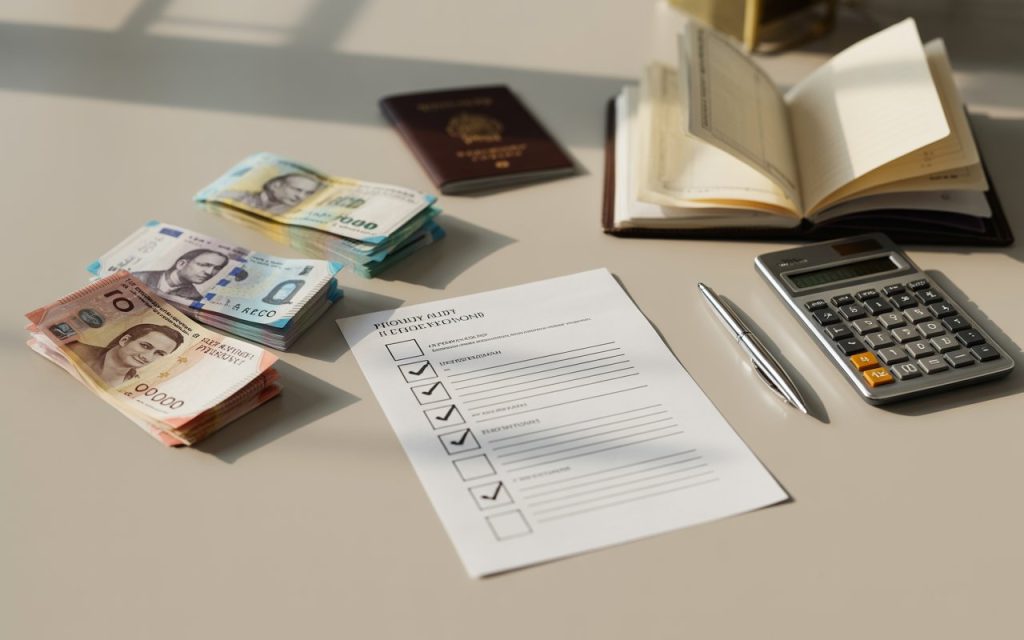

Just factor exchange-rate shifts into your plan so you can adjust tuition, rent, and daily expenses accordingly; small currency moves can raise costs or stretch your savings, so watch rates and set a flexible buffer.
Getting a Grip on Exchange Rate Basics
Think about how small swings in the rate can alter your tuition, rent, and daily spending while studying abroad; you can protect your budget by planning transfers and comparing provider fees.
What exactly is an exchange rate?
Money exchanged between currencies is priced by the exchange rate, which shows how much foreign currency you get for one unit of your home currency, and you’ll often see a mid-market rate plus a markup from banks or apps.
Why these numbers change every day
When markets react to interest-rate moves, economic data, or geopolitical events, rates adjust, directly affecting how much you pay for a semester or monthly expenses.
Exchange flows from trade, investment, and central bank operations shift supply and demand for currencies, so sudden capital moves or policy hints can quickly change the cost of sending money overseas.
Markets price expectations about future growth and policy, so even rumors or forward guidance can move rates before official announcements, and you may want to use limit orders, staggered transfers, or forward contracts to reduce budget surprises.
How Your Tuition Fees Can Shift
Tuition payments can swell or shrink as exchange rates move, so your budget today may buy less tomorrow. You can monitor mid-term trends and recalculate your local-currency costs before each deadline.
Planning for currency-driven shifts means adding a buffer and revisiting savings, scholarships, or part-time income plans. You should confirm whether invoices are issued in your home or host currency to avoid surprise conversions.
The surprise of a fluctuating currency
Exchange swings can add unexpected costs between acceptance and payment deadlines, catching you off guard if you budget only in your home currency. You might see higher expenses even when tuition stays the same.
Strategies for locking in your payments
Fixed-rate options like forward contracts, college payment plans, or prepaying tuition let you lock a known cost, protecting you from short-term volatility and helping you plan monthly expenses.
Some providers let you set automated transfers or staggered payments to average rates; compare broker fees, transfer times, and refund rules so you choose the best fit for your timing and risk tolerance.
Watching Your Wallet for Daily Expenses
Count every small daily purchase-coffee, transit, snacks-because exchange rate swings can turn a modest habit into a weekly budget overrun; you should track and adjust your daily allowance as rates change.
Budgeting for rent and groceries abroad
Renting in local currency often feels stable, but groceries fluctuate with rates, so you should set a monthly cap in both currencies and check prices weekly to spot trends that affect your food bill.
Dealing with those pesky bank fees
Banks and card issuers add foreign transaction fees, ATM charges, and poor exchange margins, so you should pick accounts and cards that minimize fees and use local cash when it’s cheaper.
Compare fee-free ATM networks, cards offering no foreign transaction fees, and whether merchants apply dynamic currency conversion; you should also notify your bank of travel dates to prevent blocks and access better options while abroad.
Smart Timing for Your Money Transfers
Timing your transfers to coincide with favorable exchange rates can stretch your overseas education budget by lowering conversion costs for tuition and rent. You can split big payments into smaller transfers to average rates and reduce the risk of a single poor timing decision.
Plan regular transfers for recurring expenses so you avoid last-minute conversions at weak rates; you can set target rates and automate transfers when those thresholds are reached to capture savings without constant checking.
Keeping an eye on market trends
Watch economic calendars and central bank announcements to steer clear of volatile windows that could spike conversion costs for a key payment. You can follow short summaries from reliable sources rather than raw financial feeds to save time.
Use rate alerts and mobile notifications so you’re notified when rates hit targets, allowing quick action without constant monitoring. You’ll preserve study time while still capturing favorable exchange moments.
Choosing the right transfer service
Compare fees, exchange margins and transfer speeds across banks and specialist providers so you can choose the option that minimizes total cost for tuition and living payments. You should total fees plus conversion spreads to see the real price.
Look for providers that offer forward contracts, scheduled transfers or rate guarantees so you can lock favorable rates for future payments and reduce exposure to swings. You’ll gain predictability for budgeting.
Check provider reviews, regulatory status and customer support options before committing; you want reliable delivery times and clear recourse if issues arise, especially during critical tuition deadlines.
Handy Tools to Stay on Track
Apps you use for rate alerts and quick conversions make timing transfers easier, so you can protect tuition payments and pocket money from sudden swings.
Using currency tracking apps
Many currency apps let you set custom alerts, compare live exchange rates and fees, and calculate converted totals so you can decide when to move funds and how much to send.
The perks of opening a local bank account
Opening a local account cuts repeated conversion charges, lowers ATM fees, and simplifies paying rent, groceries and bills, so your monthly budget stretches further.
You can link local billers, receive wages or stipends directly, and avoid costly peer-to-peer transfers; check student account options and required documents to get started efficiently.
Quick Tips to Protect Your Budget
You can protect your overseas education budget with a few habits: monitor rates, use fixed transfers for tuition, and time currency conversions when markets swing.
- Track exchange-rate trends weekly so you spot swings
- Use fixed-rate transfers or forward contracts to lock costs
- Keep part of your savings in the destination currency
Assume that small rate shifts compound over months, so you should budget a margin to cover unexpected costs.
Building a small emergency buffer
Set aside about three months of living expenses so you can cover sudden rate-driven increases without cutting imperatives; keep it in an accessible, low-fee account, ideally in the destination currency when possible.
Considering part-time work as a safety net
Consider part-time work to top up your buffer and reduce pressure when a weaker home currency raises costs, while keeping study commitments as your priority.
Working on campus or online can pay in local currency, letting you offset exchange risk directly and build savings for short-term shocks.
Final Words
Now you can protect your overseas education budget by tracking exchange rate trends, building a contingency fund, and choosing low-fee transfer services. You should estimate tuition and living costs in both currencies, consider locking rates or converting funds when rates are favorable, and review your plan regularly so currency swings won’t derail your finances.