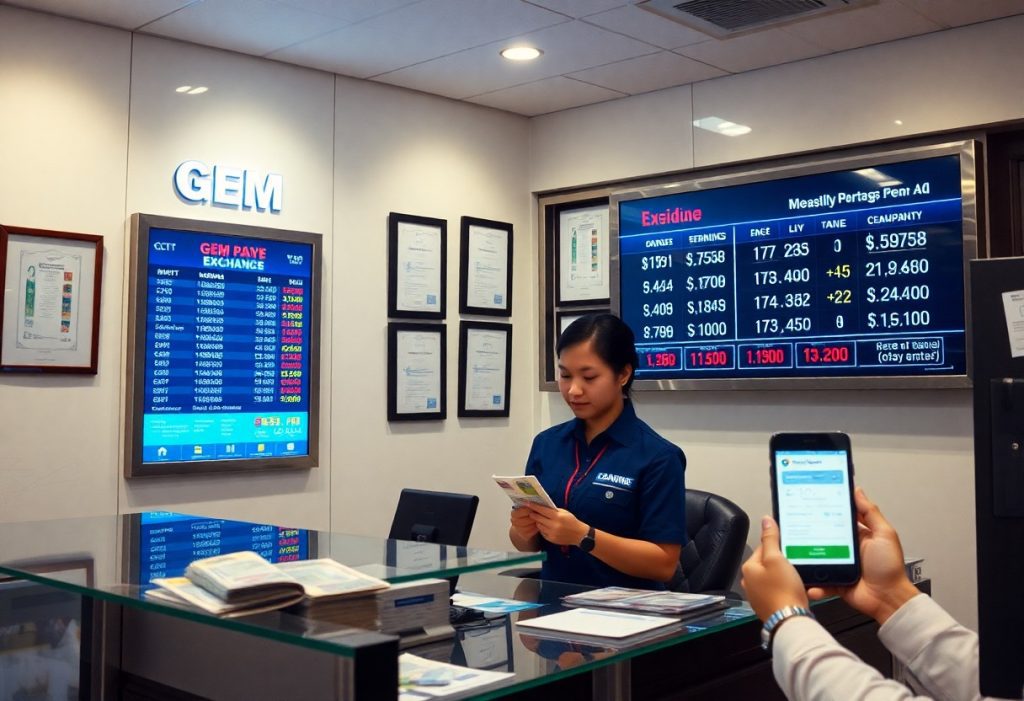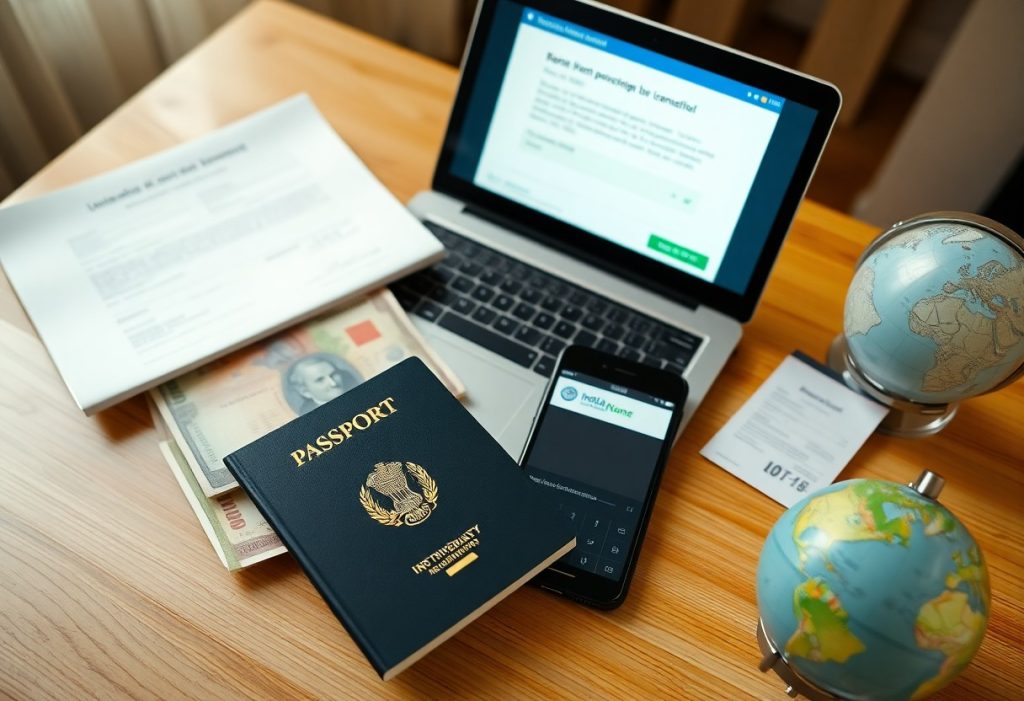
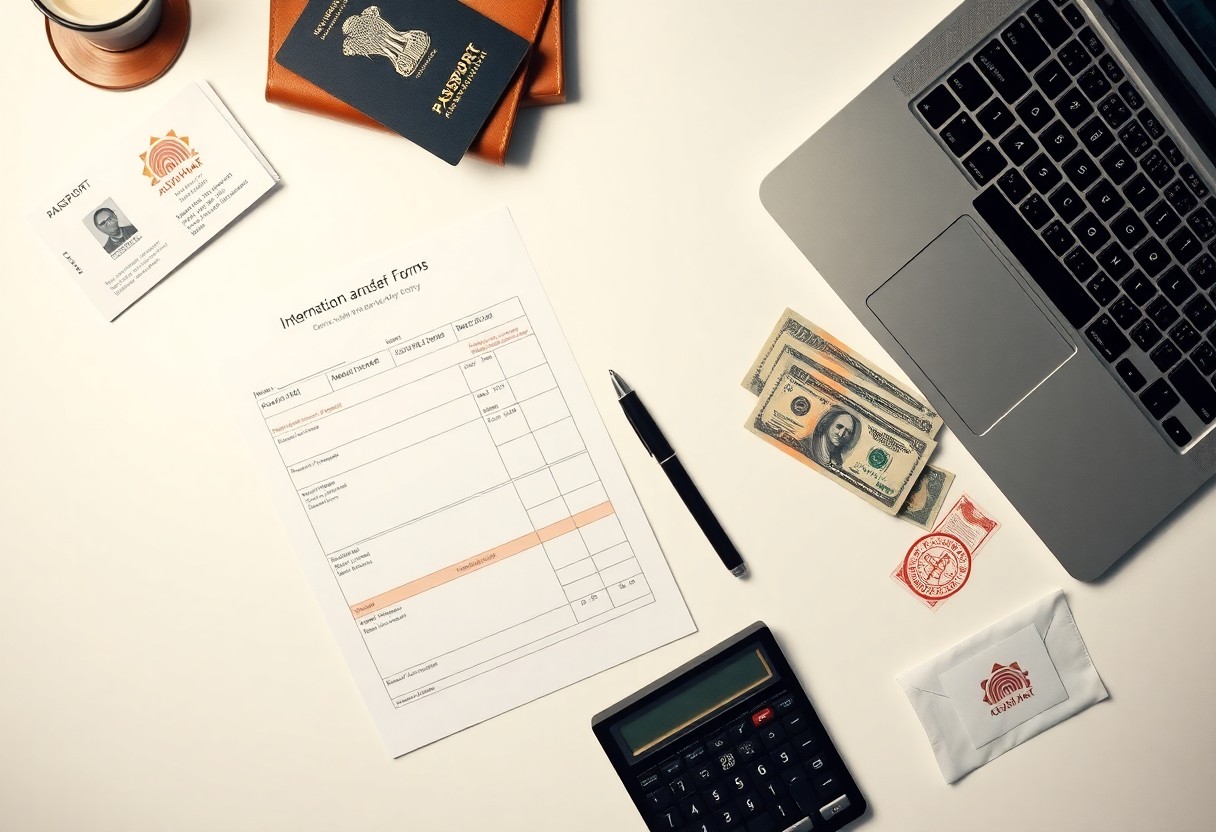
Most transfers ask for your PAN and photo ID, proof of address, purpose of remittance, and beneficiary bank details; you should also provide KYC documents or transaction invoices if requested to complete the transfer smoothly.

Your Essential Identity Proofs
You will need to show official ID and address proof when sending money abroad, since banks and remittance providers must verify your identity under RBI rules.
Banks often ask for originals plus scanned copies, so keep documents ready and ensure digital copies are clear to speed up processing.
Why your PAN card is a must
PAN links your tax identity to the transfer and is required for many cross-border transactions, especially above specified thresholds.
If you haven’t quoted your PAN, the bank may delay processing or ask for additional paperwork before proceeding with the remittance.
Valid identity and address documents
Acceptable identity proofs include passport, Aadhaar, or voter ID, while address proofs can be recent utility bills, bank statements, or rental agreements you can submit.
In most cases you must provide originals and self-attested copies, and some banks allow e-KYC uploads through their apps for faster verification.
Also check that names, addresses, and document validity match across all submissions to avoid rejection and additional follow-up requests from the provider.
Proving the Purpose of Your Transfer
You should be ready to submit documents that directly match the reason you state for the remittance, such as invoices, admission letters or medical estimates, so your bank can process the request without hold-ups.
Banks will check that your paperwork follows RBI rules, and you may be asked for originals or certified copies to validate the declared purpose before funds are released.
Documents for overseas education and medical needs
For education, you will typically provide an admission letter, fee invoice from the institution, visa details and any scholarship letters so the bank can confirm the payment purpose and amount.
If you are sending funds for treatment, include hospital estimates, doctor referrals, test reports and appointment confirmations to substantiate medical necessity and speed approval.
Papers for family maintenance or gifting
When you remit for family support or a gift, provide the beneficiary’s identity and address proof, a clear purpose declaration and, for larger transfers, a signed gift deed or affidavit to document intent.
Parents or close relatives may be asked to submit relationship proof such as a birth certificate or household document, and you should include those records if the bank requests confirmation of the recipient’s tie to you.
Documents you should retain include transfer receipts, correspondence with the recipient, copies of any deed or affidavit and proof of the beneficiary’s bank account and tax residency, since the bank may request these during compliance checks.
Navigating the LRS Guidelines
Under the LRS, you must submit valid ID, PAN, bank forms and a purpose declaration for outward remittances; banks will confirm which documents apply to your transfer.
Getting to know Form A2
You fill Form A2 to state the remittance purpose, beneficiary details and source of funds; your bank uses it to report outward payments to the Reserve Bank of India.
Tracking your annual transfer limits
Banks monitor your cumulative LRS usage against the USD 250,000 annual ceiling and will inform you of remaining allowance so you can time payments for fees, tuition or investments.
Keep digital copies of receipts, forex confirmations and bank statements to quickly verify balances and resolve any discrepancies with your bank.
Bank Account and Beneficiary Details
Bank account and beneficiary details directly affect transfer speed and whether compliance checks are triggered, so keep your information current. You should have your account number, IFSC or equivalent routing codes, and PAN or KYC-ready documents on hand because banks may verify identity before releasing funds.
Make a note of any limits, fees, and exchange rate margins your bank applies, since these change the final amount the recipient receives. You can also check estimated processing times so you plan the transfer around business days and cutoffs.
Your active Indian savings account
Your active savings account must be fully KYC-compliant and free of restrictions for outward remittances. Check available balance after fees and holds so the transfer isn’t returned or put on hold.
Accurate recipient bank information
Provide the beneficiary’s name exactly as on their bank records, along with account number or IBAN, SWIFT/BIC, bank branch and address where required, since small errors often cause delays or returns. You should also confirm the recipient’s preferred payment currency.
Confirm whether the recipient’s bank needs intermediary bank details or local equivalents, and ask if any local regulations affect inbound payments; clear communication with the beneficiary reduces rejected transfers and speeds processing.
Friendly Tips for a Smooth Process
You should keep originals and digital scans handy, and present IDs that match your bank records to reduce verification delays.
- Scan passport or Aadhaar as clear PDFs or JPEGs with readable edges.
- Confirm beneficiary name, account number and SWIFT/IFSC codes exactly.
- Save invoices or purpose-of-payment proofs and screenshots of confirmation pages.
Assume that you may be asked for extra documents or beneficiary clarification, so allow buffer time before any deadline.
Keeping digital copies ready for upload
Keep scans within file-size limits, label them clearly, and store them where you can quickly attach or drag into the provider’s portal.
Verifying exchange rates and fees
Check live rates and note the provider’s quoted margin against the mid-market rate so you see the true conversion.
Compare total costs, including fixed transfer fees, correspondent bank charges, and any receiving-side deductions so you aren’t surprised.
Use rate alerts, calculators, or small test transfers to estimate final amounts and pick the best timing for larger moves.
Conclusion
Considering all points, you should keep your passport, PAN, Aadhaar, Form A2 or declaration, purpose documents (invoice or admission letter), and bank KYC ready when sending money abroad from India. You can check limits under FEMA and consult your bank or authorized dealer for any additional paperwork, fees, and processing times to avoid delays.