
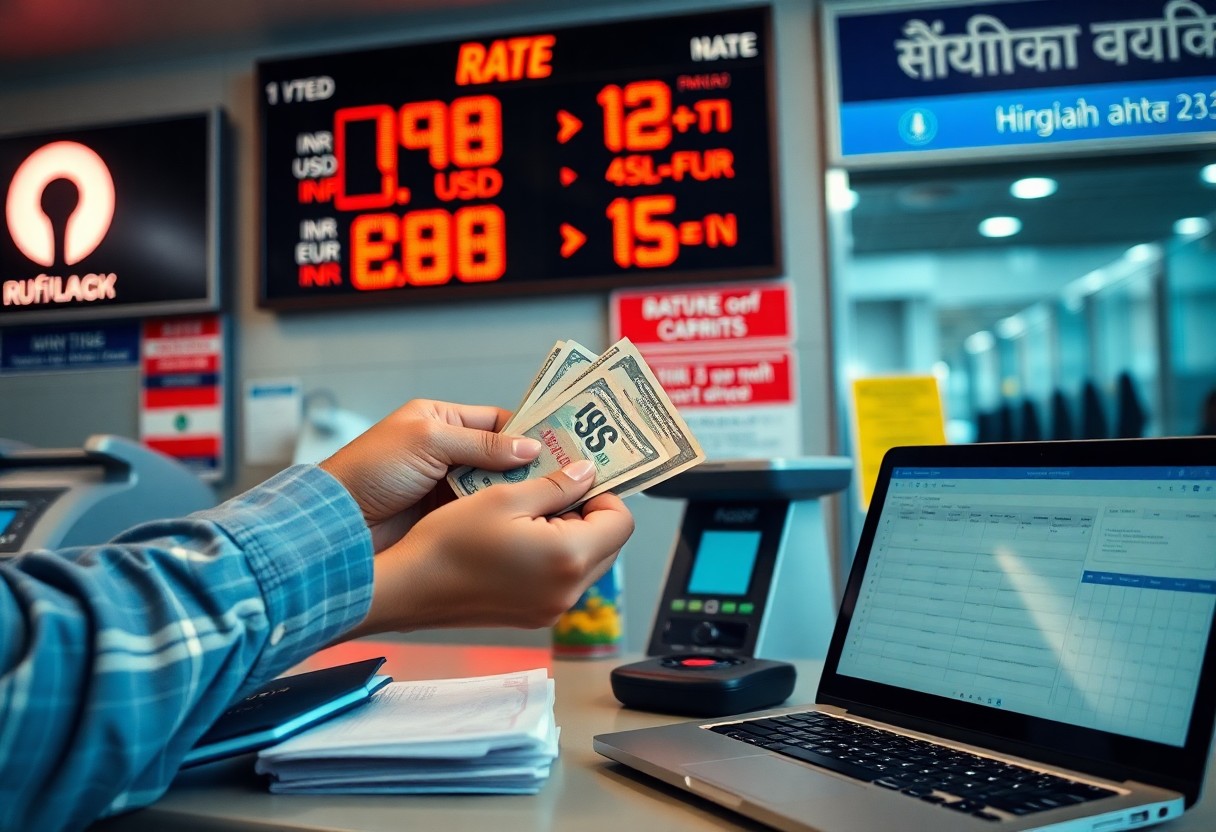
Most travelers and businesses in India use banks, RBI-authorized money changers and regulated online platforms to buy and sell foreign currency, and you should understand how rates, spreads and fees affect your effective conversion. Exchange rates track global forex markets while providers add margins and commissions; passport-based KYC and transaction limits apply; you can use cash, prepaid forex cards or wire transfers, and businesses must follow FEMA reporting and documentation for cross-border transactions.
Key Takeaways:
- Regulation and channels – Foreign exchange in India is governed by the RBI/FEMA; use authorized dealers (banks, RBI‑licensed money changers) for lawful transactions and avoid informal markets.
- Rates and fees – Exchange rates include a spread and service fees that vary by provider; compare bank, online, and airport quotes and watch for dynamic currency conversion and card foreign‑transaction charges.
- Documentation and limits – Cash exchange usually requires passport/ID; residents can remit under the LRS (up to USD 250,000 per financial year); businesses must follow FEMA documentation for trade and remittances.
- Cards and ATMs – International debit/credit cards are widely accepted; notify your bank, check withdrawal and transaction fees, and keep a mix of cash and cards for contingency.
- Business practices and risk management – Companies should invoice and settle per FEMA rules, use authorized dealers for forex operations, and deploy hedging tools (forwards, options, swaps) to manage currency exposure.
Overview of Foreign Currency Exchange
Definition and Importance
You need to understand that foreign currency exchange in India is the process of converting INR to other currencies (and vice versa) through RBI-authorized banks and money changers; the quoted rate determines how much foreign currency your INR buys. It affects travel budgets and business cash flows, so comparing bank, airport, and online quotes-as well as choosing between cash, prepaid forex cards, or card payments-directly impacts costs and convenience.
Key Terms and Concepts
You should know interbank (mid) rates, bid/ask (buy/sell) prices, spreads (retail markup), conversion fees, Dynamic Currency Conversion (DCC), and hedging instruments like forwards and swaps. Also note provider types-Authorized Dealer banks versus AMCs-and transaction formats: cash, travel/prepaid cards, card POS, ATM withdrawals, and outward remittances under schemes such as the LRS.
For example, if the interbank USD/INR mid-rate is 82.00, a bank’s retail sell rate might be 82.50-83.00; spreads commonly run 0.5-3% for card payments and 1-5% for cash. DCC at POS can add 3-7% extra, so you should opt to pay in local currency. Businesses often use forward contracts to lock rates and protect margins from such volatility.
The Currency Exchange Process in India
When you exchange currency in India you work with RBI-authorized banks, licensed money changers and airport kiosks; for travel forex you typically present passport and ticket, while businesses submit invoices and PAN for remittances. You’ll see quoted rates plus a margin-banks often charge 0.5-3% while airport counters can be 3-8%-and transactions settle via cash, card, or SWIFT transfers; for capital outflows you operate under the Liberalised Remittance Scheme (LRS) ceiling of USD 250,000 per financial year.
How to Exchange Currency
Compare live quotes on bank apps or aggregators before you commit, and pick between branch banks (SBI, HDFC, ICICI), licensed exchangers (Thomas Cook), or ATMs abroad; you’ll need ID and may prefer card or bank transfer for traceability. For example, buying USD 500 at a city money changer might cost 0.5% less than an airport kiosk, while businesses typically use forward contracts via authorized dealers to lock rates for invoices.
Factors Affecting Exchange Rates
Rates you receive reflect macro drivers: RBI policy and interest-rate gaps, India’s trade deficit and FX reserves, FII flows and remittances, plus global dollar strength and commodity swings; for instance INR slipped from roughly 74 to about 83 per USD during 2022-23 amid tighter US rates and capital outflows. Short-term moves often follow oil-price spikes or geopolitical news.
- Monetary policy and interest-rate differentials between India and the US
- Current account balance and exports/imports dynamics
- Capital flows – FII/FDI inflows or sudden outflows
- RBI foreign-exchange reserves and intervention activity
- Thou should watch commodity prices (especially oil) and global risk sentiment
For deeper context, you should note how hedging and reserve buffers shape market reaction: corporates use forward contracts, currency options, and swaps to manage exposure, while RBI uses spot and forward interventions to stabilize INR; during periods of stress you may see three-month forward premia widen to reflect higher dollar demand. Use examples: exporters often invoice in USD to pass volatility to buyers, while importers hedge 30-90 days of payables.
- Use forward contracts or options with your bank to fix costs
- Maintain a multi-currency account if you trade frequently
- Monitor RBI statements and FX-reserve trends for intervention signals
- Check live NDF (non-deliverable forward) levels if you need offshore price cues
- Thou should incorporate hedging costs into your pricing and travel budgets
Currency Exchange Options for Travelers
Your options include bank branches, authorised forex dealers, airport kiosks, prepaid travel cards and ATMs; banks like SBI, HDFC and ICICI often give rates within about 0.5-1% of interbank for account holders, while specialist dealers such as Thomas Cook or Centrum may add commissions of 0-3%. ATMs dispense INR with typical foreign-transaction fees of 1-3% plus flat ATM charges, and prepaid forex cards lock in rates on reloads and reduce cash handling risk.
Banks and Financial Institutions
In India, banks require KYC-your passport and sometimes PAN-for larger cash purchases or travel-card issuance, and account holders commonly access better rates and online reservations 24-48 hours ahead; branches handle cash buy/sell during working hours. Travel cards from banks provide multicurrency wallets, PIN protection and reloads via netbanking, and online platforms display live buy/sell rates and any fixed service charges before you transact.
Currency Exchange Services and ATMs
Authorised dealers such as Thomas Cook, Centrum and Muthoot Forex operate at airports, malls and online, with mobile pre-order discounts often 1-2% better than walk-in rates; aggregators like BookMyForex let you compare quotes and reserve currency for pickup. ATMs run on Visa/Mastercard/Amex networks and dispense INR, but expect your issuer’s FX markup and a foreign ATM fee; decline dynamic currency conversion (DCC) at POS to avoid inferior rates.
Airport kiosks offer convenience but typically the biggest spreads, whereas online pre-ordering with dealers often yields the best effective rate if you collect at branch; many dealers publish live mid-market spreads and transparent commission tables. When using ATMs anticipate operator surcharges commonly INR 100-300 per withdrawal plus your bank’s FX fee of 1-3%, and per-transaction limits frequently range INR 10,000-25,000, so plan withdrawals and compare the total cost (spread + commission + ATM fee) before choosing a method.
Regulations and Compliance
When you exchange currency in India, the system is governed by the Reserve Bank and FEMA regulations that define who may deal in forex, transaction limits, and reporting obligations. You’ll interact with Authorized Dealers (banks and money changers) who must follow RBI directions, and non-compliance can lead to penalties, license suspension, or fines under FEMA.
Reserve Bank of India Guidelines
RBI enforces frameworks like the Liberalised Remittance Scheme (LRS) – currently US$250,000 per resident individual per financial year – and authorises banks as ADs to handle forex. You’ll find RBI circulars also cover hedging rules, trade credit norms, and permitted current and capital account transactions that shape how you remit, hedge, or repatriate funds.
Documentation and Reporting Requirements
You must provide KYC, PAN and transaction-specific documents (Form A2 for purchase of foreign exchange, admission letter for education, invoices for imports) when you request remittances or large cash forex; your AD then reports eligible transactions to RBI under FEMA reporting norms.
For practical examples, when you use LRS for studies, banks will ask for admission offers and fee schedules; for travel, passport, ticket and itinerary are typically required; and for business imports/exports, customs bills, invoices and shipping documents must be produced. Your AD submits periodic returns to RBI and flags suspicious flows; failing to furnish proper documentation can trigger FEMA investigations, fines or denial of remittance.
Currency Exchange for Businesses
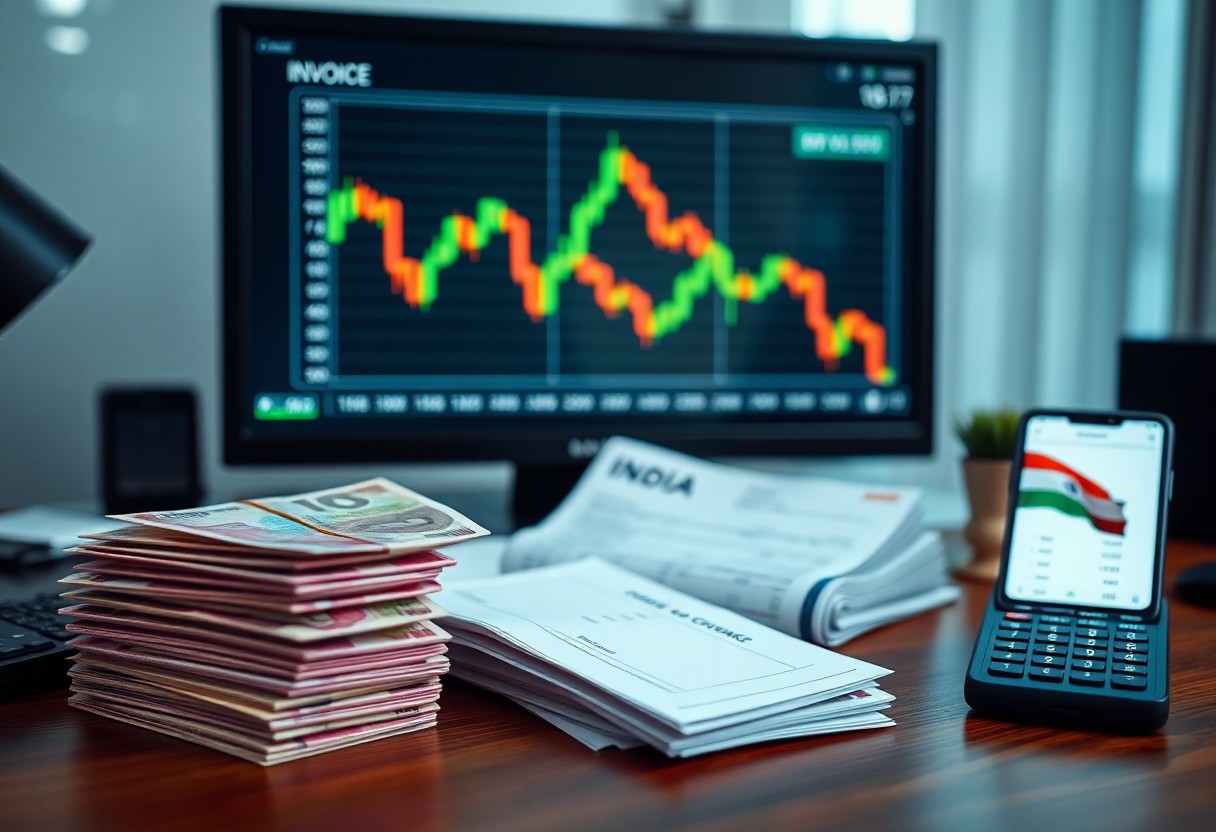
You should transact through authorised dealers and set up EEFC or foreign currency accounts to hold export receipts, which lets you use those funds for imports or convert later at favourable rates. Banks typically offer forward contracts up to 12 months and multicurrency accounts; if you invoice in USD, GBP or EUR, coordinate settlement timing to match payables. For larger flows, negotiate spreads – corporate clients often secure 0.2-0.5% versus 2-5% at retail counters – and document everything under FEMA guidelines.
Managing Foreign Currency Risks
If you face a $100,000 import bill in six months, you can hedge with a forward contract to lock the INR/USD rate or buy a currency option by paying a premium for upside protection. Natural hedging – matching foreign inflows to outflows – reduces exposure, while monthly netting across subsidiaries limits conversion transactions. Talk to your authorised dealer about tenors, margin requirements, and scenario stress-testing for expected FX moves of 3-7%.
Best Practices for Currency Transactions
You should obtain multiple quotes, maintain a written FX policy with exposure limits, and use EEFC accounts to avoid needless conversions. Stagger hedges to avoid single-date risk, reconcile daily in your ERP, and compare bank spreads and fees: retail kiosks may charge 2-5% while corporate rates often sit below 0.5%. Keep documentary evidence for FEMA compliance and use approved LCs or bank guarantees for large imports.
For example, if you invoice €50,000 monthly and have €30,000 in supplier bills, netting reduces conversions to €20,000, cutting transaction counts and fees. Implement a simple checklist: capture exposure in your treasury system, request three bank quotes, decide on natural vs. financial hedge, and document the rationale. This operational discipline lowers cashflow volatility and makes audit trails compliant and auditable.
Tips for Travelers and Business Persons
Act on practical steps: plan exchanges for actual needs, compare live rates on two apps or dealer quotes, and factor in commission (commonly 0.5-3%) plus possible ATM or card fees. Use prepaid travel cards for predictable spending and keep small amounts of local cash for transport and tipping; keep receipts for corporate reconciliation or customs. Assume that city bank branches and RBI-authorised dealers usually offer better net value than airport kiosks or unlicensed counters.
- Compare bank and authorised dealer quotes before converting.
- Use prepaid travel cards to lock budgets and reduce cash handling.
- Convert only part of your estimated spend pre-departure; use cards/ATMs abroad for the rest.
- Keep transaction receipts and record rates for bookkeeping or claims.
- For businesses, hedge expected FX flows using forward contracts through your bank.
Choosing the Right Time to Exchange
Track INR moves and set rate alerts on XE or Google Finance so you act when swings suit your purpose; month-to-month volatility can exceed 2-3% around major data releases. For short trips convert 20-40% of estimated cash needs before leaving and rely on cards for the balance. If you run a business, banks commonly offer forward contracts (tenors often up to 12 months) to lock a rate and protect margins when you expect receipts or payables.
Avoiding Common Pitfalls
Reject dynamic currency conversion (DCC) offers at point of sale-DCC markups commonly add 2-8% over issuer rates, and merchants profit on the spread. Also avoid unlicensed money changers, decline cash offers above your planned need, and check card issuer foreign-transaction fees (often 1.5-3%). Always ask for a printed receipt showing the rate and fees to support expense claims or dispute charges.
Dig deeper into DCC and fees: when a merchant offers to charge you in INR instead of the local currency, the acquirer applies a conversion plus markup, so paying in the local currency and letting your card issuer convert typically yields a lower total cost. Verify your card’s FX fee, ATM withdrawal charges (some issuers waive one free cash withdrawal per month), and confirm a money changer’s RBI authorisation-ask for licence details or use bank-recommended dealers to reduce fraud and reconciliation headaches.
Summing up
As a reminder, when dealing with foreign currency exchange in India you should use RBI-authorized banks or money changers, compare live rates and fees, carry required ID, consider forex cards for travel and forwards/hedges for business, comply with FEMA and PAN reporting for high-value transactions, and factor in conversion charges and settlement timelines to manage costs and risk effectively.
FAQ
Q: How can travelers exchange foreign currency in India and which option is typically most cost‑effective?
A: Travelers can exchange currency at authorized banks, licensed money changers, airport kiosks, and ATMs that accept international cards; they can also use prepaid forex cards and traveler’s cheques in limited circumstances. Prepaid forex cards and ATMs (using a chip-and-PIN debit/credit card) generally offer better rates and lower fees than cash exchanged at airports. Banks and authorized dealers quote rates that include a margin over the interbank rate plus possible commission; licensed money changers sometimes offer competitive cash rates but vary by location. Check the total cost (spread + fixed fees + ATM or card issuer charges), carry valid ID and travel documents for KYC, avoid dynamic currency conversion at point of sale, and keep receipts for any re-conversion at departure.
Q: What documentation, regulatory limits, and compliance steps should travelers and residents be aware of when exchanging or moving currency in and out of India?
A: Transactions with authorized dealers require valid ID (passport for non‑residents, passport and visa where applicable, and Indian ID for residents) and may require PAN for larger transactions; KYC is enforced by banks and money changers. Residents using the Liberalised Remittance Scheme (LRS) can remit funds overseas up to the RBI limit applicable at the time (check current ceiling before transacting). Physical cash movements and foreign currency brought into or taken out of India are subject to customs declaration rules and limits set by authorities; undeclared amounts above the prescribed threshold can attract penalties. Always transact through RBI‑authorized dealers, keep transaction receipts, and verify current RBI and customs rules before travel or large transfers, since limits and reporting requirements can change.
Q: How should businesses in India manage foreign currency for operations, invoicing, and risk mitigation when dealing with imports, exports, or cross‑border payments?
A: Businesses should centralize FX dealings with an authorized dealer bank, invoice strategically (invoice in INR to shift FX risk to the buyer or in a major foreign currency if preferred), and use hedging tools such as forward contracts, currency options, and netting to manage exposure. Maintain clear documentation of foreign receipts and payments for FEMA and tax compliance; repatriation of export proceeds and foreign earnings must follow RBI/authorized bank procedures. Consider natural hedging (matching currency inflows and outflows), regular cash‑flow forecasting to size hedges, and consulting banks or treasury advisors on pricing, settlement terms, and accounting/tax treatment of FX gains or losses. Regularly review and document FX policy and approvals to satisfy auditors and regulators.