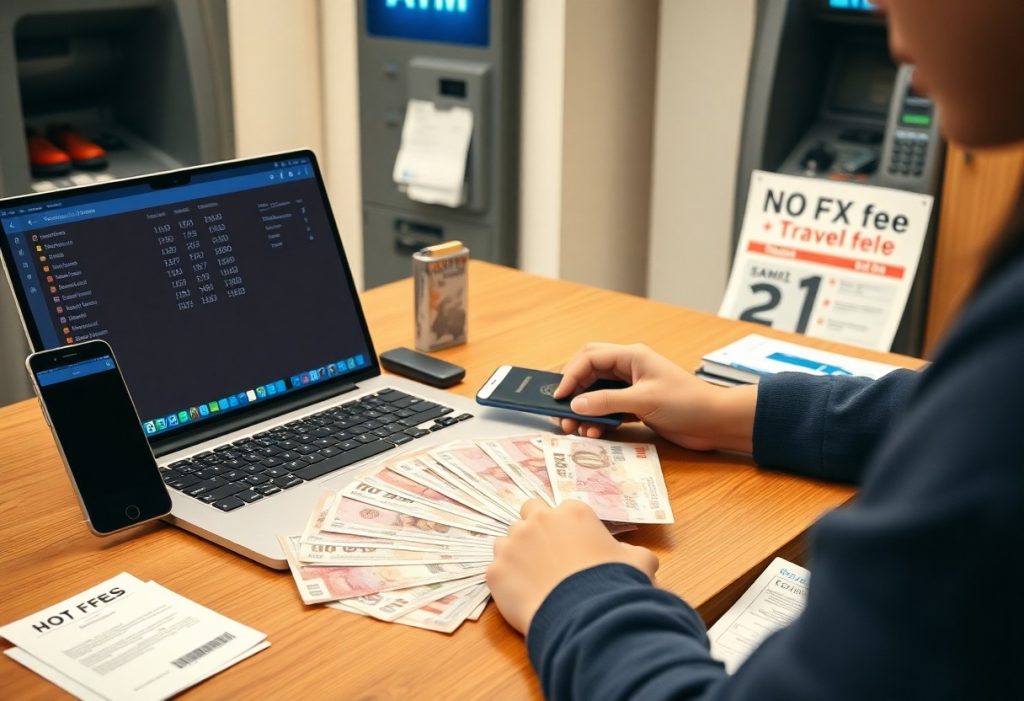

If you’ve searched “Why Forex Rates Differ Between Banks and Exchanges,” you’re likely planning international travel from Chennai, sending money abroad, or buying a forex card — and you’ve noticed one frustrating truth: the rate you see online rarely matches what banks or counters actually offer.
One day, a major bank quotes ₹84 for a US Dollar while a trusted local exchanger offers it at ₹82.50. That small difference adds up quickly on a family trip or business remittance.
As an RBI-authorized money exchange service in Chennai, we at GEM Money Exchange often explain these variations to customers in T. Nagar, Anna Nagar, and across Tamil Nadu. Understanding them helps you save money and avoid surprises. Let’s break it down clearly.
What Is the Real Exchange Rate?
The “real” or mid-market rate (also called the interbank rate) is what banks charge each other for large currency trades. You see this rate on Google, XE.com, or Reuters.
Retail customers — travelers, NRIs, or businesses in Chennai — never get exactly this rate. Providers add a markup (spread) to cover costs, risks, and profit. The size of this markup explains most differences you notice.
Main Reasons Why Forex Rates Differ Between Banks and Exchanges
1. Business Model and Core Focus
Banks treat foreign exchange as a side service alongside loans, deposits, and insurance. They have high operational costs — branches, staff, technology, and regulatory compliance.
Specialized RBI-authorized money exchangers (Full-Fledged Money Changers or Category II) focus only on forex. This allows tighter margins and more competitive rates for cash, forex cards, and travel currency in Chennai.
2. Markup and Bid-Ask Spread
- Banks often add a larger spread (1-3% or more) because forex isn’t their priority.
- Authorized exchangers compete aggressively on retail volumes and typically offer narrower spreads.
For example, when exchanging INR to USD for a Dubai trip, the difference between a bank’s rate and a specialist’s can mean ₹2,000–5,000 extra on ₹2 lakhs.
3. Volume, Sourcing, and Inventory Costs
Money changers import currency directly in bulk and manage physical cash inventory, hedging, and storage. Banks may source through interbank markets but pass on layered costs. Location matters too — high-competition areas like T. Nagar in Chennai often yield better rates than airport counters or less competitive branches.
4. Service Type and Convenience
- Cash exchange: Higher margins due to handling, security, and counterfeit risks.
- Forex cards: Loaded at better rates than cash but still vary.
- Wire transfers/remittances: Banks charge extra SWIFT fees, intermediary bank charges, and poorer rates. Specialized remittance services often beat them.
Airports charge the highest rates because of premium location and last-minute demand.
5. Regulatory and Compliance Factors (RBI Guidelines)
All legitimate providers in India must follow RBI rules under FEMA. Banks (AD Category I) and authorized money changers (AD Category II/FFMC) have different limits and reporting requirements. Compliant players build transparency into pricing rather than hidden fees. Always choose RBI-authorized entities for safety.
Banks vs Money Exchanges: Quick Comparison (Chennai Context)
| Factor | Banks | RBI-Authorized Exchangers (e.g., GEM) | Winner for Most Travelers |
|---|---|---|---|
| Exchange Rate | Higher markup | Competitive, lower spread | Exchangers |
| Forex Card Loading | Convenient but costlier | Better rates + multi-currency | Exchangers |
| Cash Availability | Limited currencies | Wide range (USD, EUR, GBP, AED, etc.) | Exchangers |
| Processing Time | Slower for large amounts | Faster walk-in & delivery | Exchangers |
| Transparency | Sometimes bundled fees | Clear live rates | Exchangers |
| Customer Support | General | Forex specialists in Chennai | Depends on needs |
| Remittance Services | Good for large sums | Competitive for travel & NRI | Varies |
Practical Examples for Chennai Travelers
- Family trip to Singapore/Malaysia: Exchanging ₹3 lakhs at a bank vs. specialist could save you enough for extra shopping or meals.
- Student going to USA: Loading a forex card at a better rate preserves more rupees for education expenses.
- NRI remittance or inward transfer: Understanding rates helps families in Chennai receive better value from abroad.
Pro Tip: Compare live rates from 2-3 authorized providers the day before travel. Rates fluctuate with global markets, USD-INR movements, and local demand.
Key Takeaways
- The mid-market rate is ideal but unavailable to retail customers.
- Banks charge more due to overheads and non-core focus.
- Specialized exchangers offer better value through competition and efficiency.
- Always verify RBI authorization for safety and compliance.
- Compare before you exchange — small differences add up fast.
- Factor in total cost: rate + fees + convenience + security.
- Local expertise in Chennai helps you navigate options confidently.
Frequently Asked Questions (FAQ)
Q1: Why is the bank forex rate always higher than what I see online? The online rate is the interbank/mid-market rate. Banks add a profit margin and operational costs, making their retail rate less favorable.
Q2: Are money exchange rates in Chennai better than banks? Generally yes, especially at reputable RBI-authorized centers in T. Nagar and other hubs. They compete directly on forex and offer tighter spreads.
Q3: Is it safe to exchange currency at non-bank counters in Chennai? Only at RBI-authorized dealers. Check for valid license, transparent rates, and proper documentation. Avoid unauthorized operators.
Q4: Which is better for forex cards — bank or exchange? Specialized exchangers often provide better loading rates and wider currency options with doorstep delivery options in Chennai.
Q5: How do airport forex rates compare? Airport counters usually have the highest markups due to convenience. Exchange most of your money in the city before travel.
Q6: Does RBI regulate forex rates in India? RBI regulates participants and processes but not the exact retail rates. Market competition and provider margins determine final pricing.
Q7: Can I get better rates for international money transfer? Specialized services often beat traditional bank wire transfers on both rate and total fees, especially for regular remittances.
Q8: How do I find the best currency exchange near me in Chennai? Look for RBI-authorized providers with good reviews, live rate transparency, and multiple branches. Compare USD to INR or other pairs on the spot.
Q9: Do exchange rates change daily? Yes, they respond to global markets, news, and local demand. Checking rates in the morning and afternoon can make a difference.
Conclusion
Understanding why forex rates differ between banks and exchanges empowers you to make smarter decisions for travel forex, forex cards, remittances, or NRI transfers. While banks offer reliability for many banking needs, specialized RBI-authorized exchangers often deliver better value, transparency, and service tailored to currency needs.
At GEM Money Exchange Pvt Ltd in Chennai, we focus exclusively on foreign exchange with competitive rates, genuine currency, expert guidance, and full RBI compliance. Whether you need cash for your next trip, a loaded forex card, or reliable remittance support, our team in T. Nagar is here to help you maximize every rupee.
Visit us, call for live rates, or book doorstep delivery for a hassle-free experience. We’re committed to building long-term relationships with travelers and families across Tamil Nadu – not just completing one transaction.
Contact GEM Money Exchange Pvt Ltd today for transparent guidance and competitive forex services in Chennai. Your smarter currency exchange journey starts here.