When you return to India with foreign currency left over, you have two choices under Reserve Bank of India (RBI) rules: sell it to an authorised provider within 180 days, or keep up to USD 2,000 (or its equivalent) in notes or travellers’ cheques for a future trip. Foreign coins can be kept without any limit. Selling is simple: take the notes, your passport and, ideally, the receipt from when you bought the currency to a bank or RBI-authorised money changer.
This guide explains the rules, how to get a fair price and what to do with a travel card balance.
The RBI Rules in Brief
| Rule | What it means for you |
|---|---|
| Surrender within 180 days | Unspent foreign currency notes and travellers’ cheques should be sold back within 180 days of return |
| Retention up to USD 2,000 | You may keep up to USD 2,000 or equivalent in notes or travellers’ cheques for future use |
| Coins | Can be held without limit |
| RFC (Domestic) account | Retained foreign exchange can also be credited to a Resident Foreign Currency (Domestic) account |
Source: RBI FAQ on miscellaneous forex facilities.
If you travel often, keeping a small float of dollars or dirhams within the USD 2,000 limit saves you paying the exchange spread twice.
How to Sell Leftover Currency
- Sort your notes by currency and count them.
- Set aside coins; most providers do not buy coins.
- Call an authorised provider to check its buying rate and whether it buys that currency.
- Visit with your passport and the original purchase receipt if you have it.
- Check the rupee amount and take a receipt.
What Affects the Price You Get
| Factor | Effect |
|---|---|
| Buying rate | You receive the provider’s buying rate, which is lower than its selling rate |
| Currency | Widely traded currencies such as USD, EUR, GBP and AED are easier to sell |
| Note condition | Torn, written-on or very old notes may be refused or discounted |
| Denomination | Some providers prefer larger denominations for less common currencies |
Our explainer on buying vs selling rates shows why you get less than you paid.
Travel Card Balances
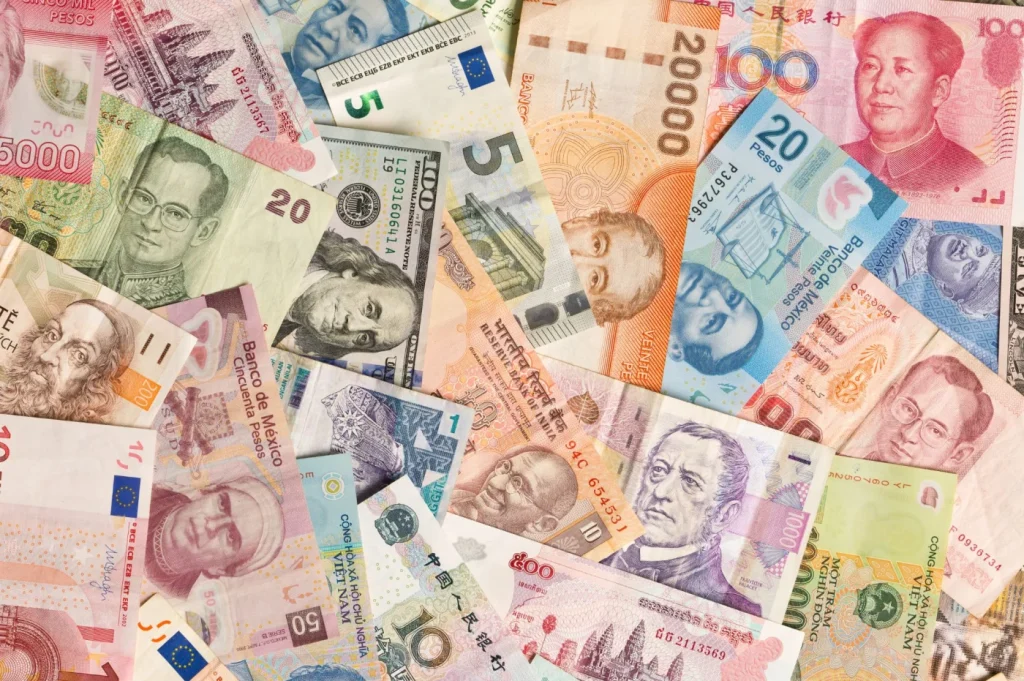
A forex card balance can stay on the card for your next trip, or you can ask the issuer to encash it and credit your bank account. Ask about any encashment charges and how long the refund takes.
Tips to Avoid Losses
- Spend down coins and small notes before you leave the destination.
- Do not let notes sit for years; sell within the 180-day window.
- Keep notes flat and clean so they are accepted.
- Next time, buy closer to what you need. See how much foreign currency to carry.
Sell Your Leftover Currency With GEM Money Changers
GEM Money Changers buys back foreign currency at its branches in T. Nagar, Chennai and on Royals Road, Trichy, with the rate confirmed before you sell. See the Chennai or Trichy branch page.
Back from a trip with spare currency?
Call us with the currency and amount to get today’s buying rate.
Frequently Asked Questions
How long can I keep foreign currency after returning to India?
Unspent notes and travellers’ cheques should be surrendered within 180 days, but you can keep up to USD 2,000 or equivalent for future use.
Can I keep foreign coins at home?
Yes. Residents can hold foreign coins without any limit.
What documents do I need to sell foreign currency?
Your passport and, if available, the receipt from when you bought the currency.
Why do I get less money when I sell currency back?
Because you receive the provider’s buying rate, which is lower than the selling rate you paid.
Will a money changer buy torn notes?
Torn, marked or very old notes may be refused or bought at a discount. Keep notes in good condition.
Sources
- Reserve Bank of India: FAQ on miscellaneous forex facilities
- Reserve Bank of India: Master Direction on Other Remittance Facilities
This article is general information, not financial advice. Last reviewed: November 2026.